Image Credit: wikimedia.org
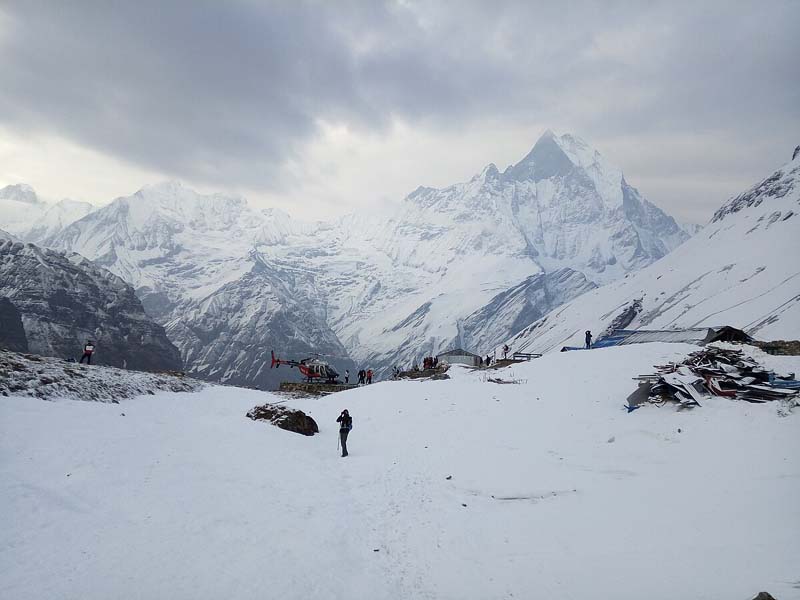
The Annapurna Base Camp (ABC) Trek is a scenic course that makes the heart beat as you skip through the stunning Himalayas of Nepal. Steep summits and luxurious rhododendron forests offer the backdrop for a rich neighborhood experience. But the ABC direction identifies some physical tasks in it, and you could get some bruises as you would in any difficult, excessive altitude trek if you are not careful.
Preventing injuries isn’t only a depend of minimizing pain or downtime — it’s a critical element of protecting your power, staying secure, and in the long run accomplishing the cease of your journey in a single piece. Skilled or first-time hikers, knowing a way to protect themselves from standard hiking accidents, allows you to.
The maximum frequent accidents on the Annapurna Base Camp trek could be discussed in detail in this newsletter, in addition to what you could do to help yourself feel satisfied, wholesome, and without injury on your hike.
Common injuries on the Annapurna Base Camp Trek
know-how varieties of injuries that trekkers commonly acquire on the ABC Trek helps you to take centered precautions, and with any luck, make better decisions approximately your trek. The subsequent are the frequent troubles:
Blisters: nothing too uncommon approximately them, because of the friction between your foot and your boot.
Sprains and strains: Overexerted muscle tissues from walking uphill with a heavy load around your waist; twisted ankle from falling right into a hole or uneven terrain.
Knee ache: Your knees are gonna take a beating from all of that walking downhill.
Vulnerable or Spasming muscle groups: Used too much or aren’t getting sufficient water.
Altitude cash and prizes. Altitude: It’s no longer a danger exactly; however, symptoms of altitude complications and dizziness can result in a fall or twist of fate.
Sunburn and Frostbite: You may get a sunburn or frostbite (it’s freezing at an excessive altitude!) up there.
A way to prevent accidents: not an unusual experience strategy, purchase suitable shoes
The first defensive layer in your ankles and toes is your hiking shoes. Search for boots with a strong, adhesive-like sole for grip, the right feet form without being overly tight, and ankle support. Moreover, worn boots can be useful in preventing blisters and friction, so take care of them before the hike.
Put on moisture-wicking socks to keep your feet dry, and carry some pairs to alternate into during the day. A few trekkers swear by means of double-layer socks (worn beneath nylon, wool, or a wicking material) or the use of blister prevention tape at warm spots for blisters.
Reinforce your frame beforehand.
Bodily guidance before the experience will drastically lower the threat of accidents. Cognizance of heart fitness, leg strength, and middle balance. And, in terms of staying power and balance, hiking, stair mountain climbing, yoga, biking, and other activities can help in overcoming the undertaking.
Include lower body sporting activities that include the glutes, hamstrings, quadriceps, and calves. Robust muscle mass is better at preserving joints in place and at absorbing shock. Tempo yourself and rest correctly.
Resist the temptation to move too speed. This slow upward progress is what makes the journey see you later, even at these high altitudes in which the level of oxygen within the air is approximately 1/2 as a whole lot as we are aware of.
Concentrate on what your body is saying and simply take breaks on every occasion you feel fatigued. In case you’re in extreme pain, or more exhausted than you have ever been, don’t electricity up. Proper pacing to limit muscular fatigue and injury.
Use hiking Poles
I can not say enough about trekking poles as a means to assist in preserving your balance and take in a few effects. They absorb load, relieve stress on knees and ankles, a nd help you stay consistent on uneven or slippery surfaces.
Discover ways to use poles the right way – get the peak right and stomp them with each step.
Live Hydrated and Nourished Starvation and thirst-related weakness and cramping could also result in an increased risk of injury. Live hydrated and eat balanced meals, rich in proteins, carbs, and electrolytes.
p.c. Sandwiches or energy bars to munch on whilst you’re on foot on long hikes.
Heat up and Stretch day by day.
Do five to seven minutes of mild sports activities, such activities which includes leg swings or a quick walk, to loosen your muscular tissues up and prepare them for your stroll. Stretch: after you’ve finished your hike, get a stretching consultation to increase your overall range of movement and combat any stiffness in your muscles.
Make certain that your decemuscles, quadriceps, hamstrings, and calves are becoming tight.
Shield yourself from the elements.
After a sunburn, you are privy to how your skin and pores feel. Carrying shades and a hat will assist defend your eyes from UV rays, but you need to additionally apply a broad-spectrum sunscreen product.
At higher heights, temperatures can decrease substantially. You can save yourself from frostbite and more effectively modify your body temperature in cold conditions by way of carrying layered apparel. Gloves and warm socks are also vital.
Be Alert for Worrisome Signs,
tennis gamers. Keep a glance out for any new pain, numbness, swelling, or painlutseintern liv, etc. It’s far frequently higher to intervene early rather than have a minor difficulty grow to be a catastrophe.
Contents The Takeana easy First resource package deal includes blister care and pain comfort. Don’t be afraid to look for a medical doctor or trade your hiking plans in case you locate your symptoms get worse.
Acclimatize well
Altitude sickness and its signs can affect your coordination, and that increases the chances you’ll take a tumble. Take your altitude acclimatization days significantly (mainly in Manang, and before heading above Thorong l. a. and its skip).
Slow ascension; Abstain from alcohol and smoking. In case you are symptomatic, relax, drink fluids, and descend as you please.
What to Do in case you Get Injured, regardless of protection precautions in the location, injuries can arise. The capability to act fast and with reason can lessen the capacity for injury or pain.
If that happens, use the R.I.C.E. technique (rest, ice, compression, elevation), as you would for a sprain or pressure. Do not weigh down on an injured leg, use a device along with trekking poles if needed, and try to find medical care immediately.
To decrease infection, smooth the blister site, cover it with a band-aid or ointment, and don’t give in to the urge to pop it — except when you must.
If you enjoy discomfort or some other traumatic signs and symptoms, you ought to forestall trekking even as you are looking for hospital therapy. You ought to prioritize your protection over moving beforehand.
final mind
Annapurna Base Camp trek is a hard but profitable hike. You’re serious about damage prevention, then not only are you saving your fitness, but you’re also allowing yourself to have an excellent time at the hike.” And you’re that an awful lot toward finishing the hike successfully.
Get appropriate up proper, proper tools and gear, physical prep, and head on the trail. Obey your frame, love the mountain, and the rest will come with staying power and take care of your climb.
Genuinely recognize that every step you are making along the way to ABC is a step towards a remarkable journey inside the Himalayas, so make it a safe and healthy one.